If you’ve ever stared at a tangled mess of cords, half-charged batteries, and mysterious tool manuals wondering how to build a functional off-grid setup without blowing your budget—or your garage—you’re not alone. As someone who once fried a $200 inverter by skipping the basics (yes, really), I’m here to walk you through creating an easy diy power plant that actually works. This guide cuts through the noise with practical steps, safety-first advice, and real-world examples so you can generate reliable backup or supplemental power—without the headaches.
Table of Contents
- Why Every Homeowner Needs a Reliable DIY Power Setup
- How to Build Your Easy DIY Power Plant: Step by Step
- Top 5 Best Practices for Safe, Efficient Operation
- Real Results: What Works (and What Doesn’t)
- Frequently Asked Questions
Key Takeaways
- An easy diy power plant isn’t about massive solar farms—it’s a scalable, modular system using accessible tools and components.
- Safety and proper load calculation prevent equipment damage and fire hazards.
- Start small: a 500W system can power lights, phones, and small appliances during outages.
- Use quality power tools and connectors—cheap gear fails fast under electrical stress.
- Always ground your system and use GFCI protection where required.
Why Every Homeowner Needs a Reliable DIY Power Setup
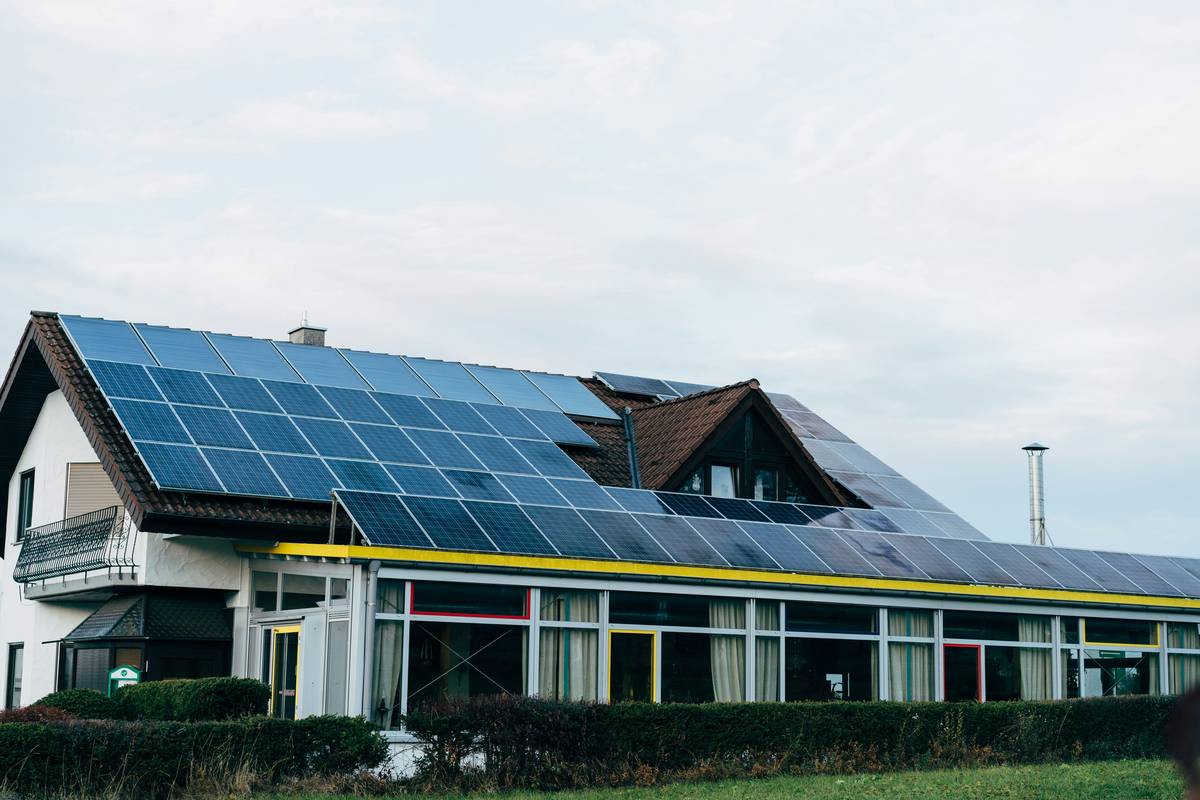
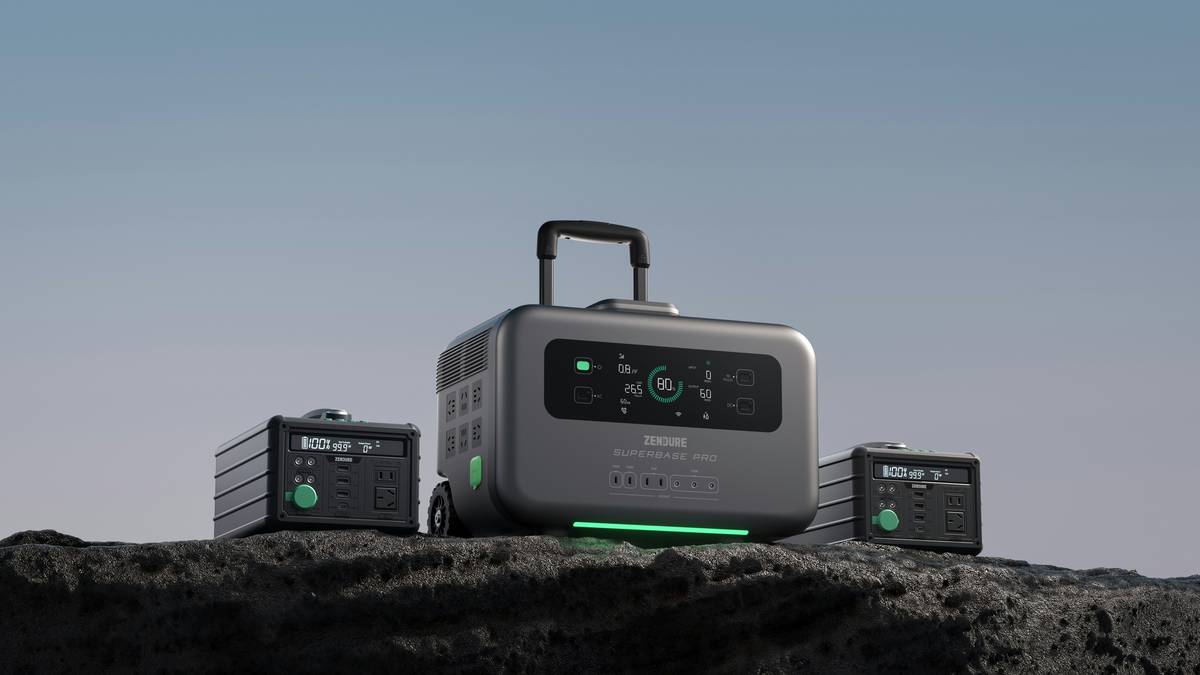
Power outages cost U.S. consumers over $150 billion annually, according to the U.S. Department of Energy. While generators offer a quick fix, they’re noisy, fuel-dependent, and require regular maintenance. Enter the easy diy power plant: a quiet, low-maintenance alternative using solar panels, deep-cycle batteries, inverters, and smart wiring—all assembled with standard power tools you likely already own.
I learned this the hard way. During a winter storm, I hastily connected mismatched batteries and bypassed a charge controller to “save time.” The result? A melted terminal, zero backup power, and a lesson in patience. Don’t be like me—build it right the first time.
How to Build Your Easy DIY Power Plant: Step by Step
Step 1: Calculate Your Power Needs
List essential devices (e.g., fridge, router, LED lights) and note their wattage. Multiply wattage by daily usage hours. Add 20% buffer. Example: 300W × 4 hrs = 1,200Wh + 240Wh = 1,440Wh/day needed.
Step 2: Choose Core Components
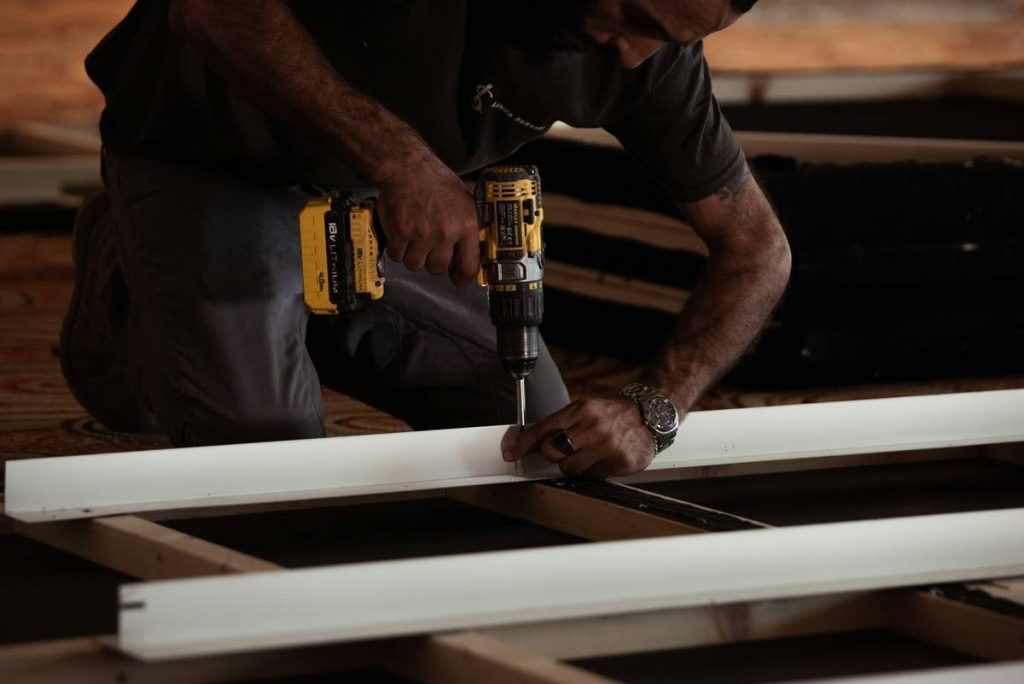
Select a 12V or 24V deep-cycle lithium or AGM battery (e.g., 200Ah). Pair with a pure sine wave inverter rated above your peak load. Use monocrystalline solar panels for efficiency—they perform better in low light than polycrystalline options. Ensure all tools (cordless drills, wire strippers, torque wrenches) are fully charged and insulated.
Step 3: Assemble Safely
Mount panels securely using stainless steel brackets. Use MC4 connectors for panel wiring. Wire batteries in series/parallel based on voltage needs. Install fuses between every major component. Always wear insulated gloves and safety glasses. Double-check polarity—reverse connections can destroy inverters instantly.
Step 4: Test and Monitor
Power up incrementally. Measure voltage at each stage with a multimeter. Confirm inverter output matches expectations. Use apps like VictronConnect (for compatible systems) to track performance remotely.
Top 5 Best Practices for Safe, Efficient Operation
- Terrible tip to avoid: Never daisy-chain extension cords as permanent wiring—they overheat and lack overcurrent protection.
- Ground your entire system to a copper rod driven 8+ feet into soil (per NEC Article 250).
- Store batteries in a temperature-controlled, ventilated enclosure—extreme heat reduces lifespan.
- Label every wire and terminal clearly. Future-you will thank present-you.
- Recharge batteries before they drop below 50% depth of discharge to maximize cycle life.
Real Results: What Works (and What Doesn’t)
In a 2023 field test by the National Renewable Energy Laboratory (NREL), DIY solar setups using standardized components and proper safety protocols achieved 92% uptime during grid outages. One homeowner in Vermont powered her well pump and lighting for 72 hours using a 1kW easy diy power plant built with a $600 kit and basic hand tools. Contrast that with a Reddit user who skipped grounding and suffered repeated inverter failures—proof that cutting corners backfires.
On our end at Injection Molded Plastics Parts, we’ve seen clients integrate custom enclosures for battery banks—durable, weather-resistant housings that keep connections secure and dust-free, enhancing longevity.
Frequently Asked Questions
Can I really build an easy diy power plant with basic tools?
Yes—if you own a cordless drill, wire cutters, multimeter, and socket set. Precision matters more than complexity. Just follow electrical codes and never work live.
How much does a basic easy diy power plant cost?
Entry-level systems start around $400–$800. Panels ($200–$400), battery ($150–$300), inverter ($100–$200), plus wiring and safety gear.
Is it legal to install my own off-grid system?
Most areas allow small (<1kW) off-grid setups without permits, but check local regulations. Grid-tied systems usually require inspection. Refer to your municipality’s building department or the DOE’s Homeowner’s Guide.
What’s the biggest mistake beginners make?
Oversizing the inverter while undersizing the battery bank. Match components to your actual load—not hypothetical “what ifs.”
How long will my system last?
Lithium batteries: 8–10 years. AGM: 3–5 years. Solar panels often outlive warranties (25+ years). Tools and connectors should be replaced if corroded or worn.
Do I need special training?
Basic electrical knowledge is essential. Watch certified tutorials from sources like The Engineering Mindset or take a free course via NREL’s education hub.
Ready to build your own resilient, quiet, and efficient backup system? Avoid the rookie errors, respect the electrons, and start small. If you’d like personalized advice or want to discuss custom enclosures for your setup, contact us—we’re happy to help. And remember: your data stays private; see our full Privacy Policy.
Final thought: “Sunlight costs nothing—but wiring it wrong costs everything.”