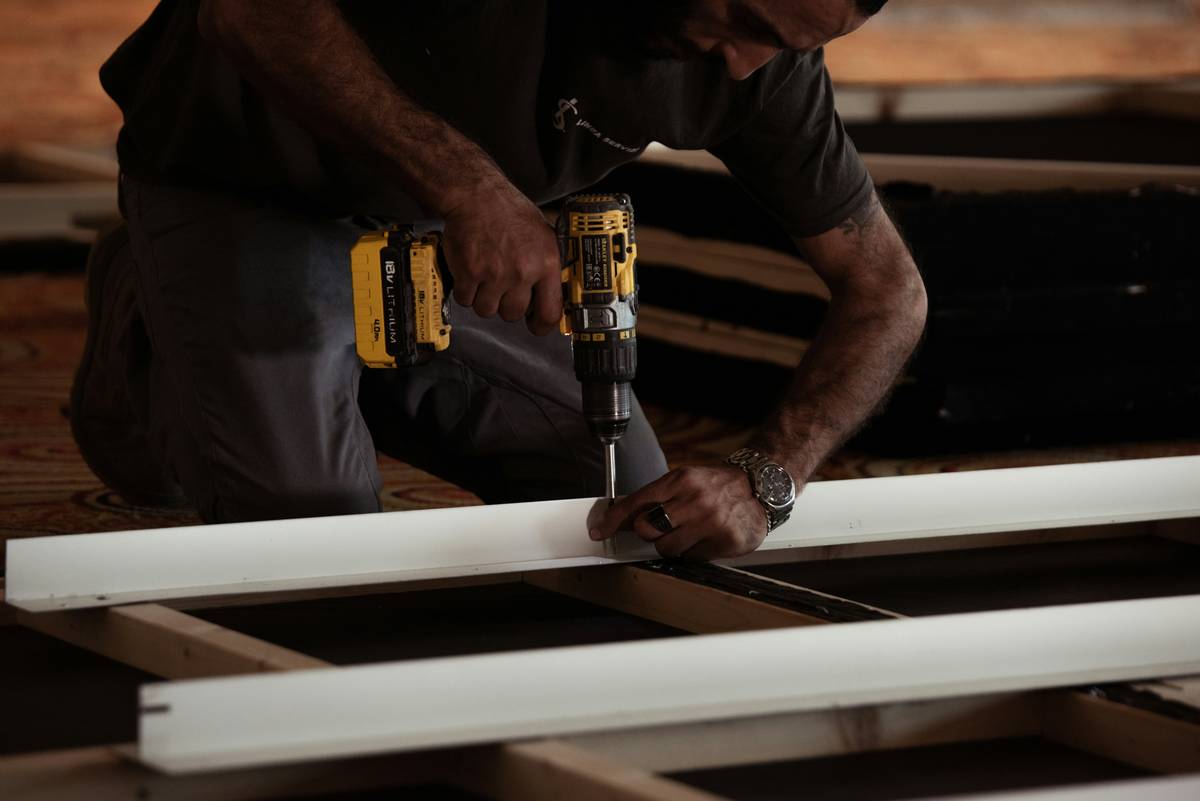
Ever fired up a circular saw only to realize you hadn’t clamped your workpiece—and watched helplessly as it kicked back? I have. That split-second lapse cost me a ruined board, a bruised ego, and a lesson in humility. If you’re diving into DIY with power tools, you need more than enthusiasm—you need smart, safe, and effective strategies. This guide cuts through the noise (literally) to show you exactly how to use power tools without turning your project—or your workshop—into a hazard zone.
Table of Contents
- Why Power Tools Demand Respect
- Step-by-Step Guide to Safe Power Tool Use
- Pro Tips for Better Results
- Real-World Case Studies
- FAQs
Key Takeaways
- Always inspect tools before use—blades, bits, and power cords matter.
- Secure your workpiece; unclamped material is the #1 cause of kickback.
- Wear proper PPE: safety glasses, hearing protection, and dust masks aren’t optional.
- Start slow: let the tool do the work instead of forcing it.
- Know your tool’s limits—don’t turn a drill into an impact driver.
Why Power Tools Demand Respect
In home improvement, power tools accelerate progress—but they also amplify risk. According to the U.S. Consumer Product Safety Commission, over 400,000 emergency room visits annually stem from power tool injuries. Many involve simple oversights: loose cords, dull blades, or skipping safety gear. The phrase diy project power how to use isn’t just about operation—it’s about mindfulness.

One time, I rushed to mount shelves using a borrowed drill with a worn chuck. Halfway through, the bit slipped, gouging the wall and nearly grazing my hand. That mistake taught me: never assume a tool is ready to go. Always test, inspect, and prepare.
Step-by-Step Guide to Safe Power Tool Use
1. Read the Manual (Yes, Really)
Manufacturers include critical safety and operational info. Skip this, and you might misuse torque settings or overlook blade direction. My DeWalt manual saved me from installing a jigsaw blade backward—again.
2. Prepare Your Workspace
Clear debris, secure extension cords with tape (not nails!), and ensure lighting covers your cut line. Poor visibility causes misalignment—and accidents.
3. Secure Your Material
Use clamps or a vise. Never hold wood by hand while cutting. Unsecured workpieces shift, bind blades, and cause violent kickback—especially with table saws or miter saws.
4. Wear Proper PPE
Safety glasses protect against flying splinters; hearing protection preserves long-term ear health; and N95 masks reduce inhalation of fine particulates. OSHA guidelines underscore their necessity (OSHA PPE Standards).
5. Test Before Full Commitment
Do a dry run: power the tool near (but not on) your material. Confirm rotation direction, ease of control, and stability.
Pro Tips for Better Results
- Keep blades sharp: Dull blades require more force, increasing strain and inaccuracy.
- Use the right speed: Lower RPMs for dense materials like hardwood or metal; higher for softwood or plastic.
- Unplug when changing accessories: Even battery tools should be powered off and disconnected during bit/blade swaps.
- Avoid “one-handed hero” syndrome: Two hands provide control—always.
- Store tools properly: Dust and moisture degrade performance. Clean after each use.
And here’s a terrible tip I’ve heard too often: “Just tape the trigger down if you’re doing repetitive drilling.” Nope. That bypasses safety interlocks and risks runaway operation. Don’t do it—ever.
Real-World Case Studies
A 2022 study by the National Institute for Occupational Safety and Health (NIOSH) found that hobbyists who received basic power tool safety training reduced errors by 68% compared to self-taught users (NIOSH Saw Safety Report). One participant, a weekend woodworker, avoided amputating a fingertip by using a push stick on his table saw—a habit he adopted after a close call.
On our end, while we specialize in precision injection molded plastics, many of our custom jigs and fixtures are built using the very methods outlined here. Accuracy starts with controlled, respectful tool use—not brute force.
FAQs
What’s the safest way to start learning power tools?
Begin with low-risk tools like cordless drills or orbital sanders. Practice on scrap wood before tackling live projects. YouTube demos help, but nothing replaces hands-on repetition under supervision.
Can I use regular sunglasses instead of safety goggles?
No. Sunglasses don’t seal against debris or chemical splashes. ANSI Z87.1-rated safety glasses are non-negotiable for eye protection.
How often should I replace drill bits or saw blades?
When cuts become rough, burn marks appear, or you hear screeching—these signal dullness. For frequent users, monthly inspection is wise.
Is it okay to use a power tool with a frayed cord?
Absolutely not. Frayed cords risk electric shock or fire. Replace the cord or retire the tool. Safety isn’t worth compromising.
Where can I get personalized advice for my project?
We may craft precision parts, but we love DIY spirit! Reach out via our Contact Us page—we’ll point you in the right direction.
Remember: great DIY isn’t about how fast you finish—it’s about finishing safely, cleanly, and proudly. And if you collect sawdust in your socks like I do, at least make sure your eyes stay clear. Need custom components for your build? We’ve got you covered—just check our Privacy Policy before sharing project details.
Final thought: Measure twice, clamp once, and let the tool lead. Your future self—with all ten fingers intact—will thank you.